September 22, 2026
Homeowners experience profound frustration when insects and rodents return after a professional extermination session. Eradicating an infestation requires comprehensive strategies, yet many properties remain vulnerable due to unnoticed structural gaps. A standard application of repellent eliminates existing populations but fails to address the physical pathways invaders use to enter the dwelling. Repeating treatments without fixing the root cause wastes valuable resources. Resolving this issue demands a deeper understanding of building integrity. Buildings settle and weather over time, creating unseen breaches. Residents must shift their focus toward structural reinforcement to achieve permanent results.
Identifying these subtle entryways demands a keen eye and an understanding of animal behavior. A pest control company might point out obvious flaws like open windows or missing door sweeps. However, hidden vulnerabilities elude casual inspection, providing a permanent open door for unwanted guests. Taking control of the physical boundaries offers genuine peace of mind for the occupants. By understanding these concealed access routes, individuals can fortify their homes against future invasions and break the cycle of repeated extermination visits. Addressing these gateways transforms a porous house into a secure fortress, denying entry to crawling and flying intruders.
1. Overlooking the Gaps Around Utility Pipes
Plumbing and electrical lines require holes in the exterior walls to reach the interior of a house. Contractors create openings larger than the pipes themselves, leaving space around the perimeter. Over time, the initial sealing materials degrade, dry out, and fall away. Rodents and insects find these utility junctions perfect for bypassing exterior defenses. A professional pest control company identifies these voids as primary superhighways for mice and roaches. Filling these voids with steel wool and expanding foam creates a robust barrier. Without addressing these utility penetrations, insects crawl through the wall void into the living space.
2. Ignoring the Cracks in Foundation Walls
Concrete bases settle and shift as the seasons change, causing hairline fractures to form along the perimeter of the structure. These fissures offer an expansive gateway for underground termites and ants. According to Precedence Research, the global insect pest control market was estimated at $12.42 billion in 2025. This massive industry expenditure highlights the persistent challenge of keeping structures secure from determined invaders. When a pest control company conducts an inspection, foundation integrity ranks as a top priority. Sealing these concrete fractures with specialized masonry caulk prevents moisture accumulation and blocks the tiny pathways that colonies utilize to infiltrate the basement.
3. Neglecting the Spaces Beneath Roofing Shingles
The upper elevations of a house receive minimal attention during routine maintenance, leaving the roofline susceptible to wildlife and insect infiltration. Fascia boards and soffits experience significant weather damage, creating small gaps where wood meets roofing material. Wasps, bats, and squirrels exploit these elevated vulnerabilities to establish nests within the warm, protected attic space. A homeowner might hire a pest control company to handle an indoor ant problem, unaware that a separate colony thrives above the ceiling joists. Proper roof maintenance involves replacing rotted wood and ensuring that all shingles sit flat against the decking, maintaining a watertight roof to limit biological intrusions.
4. Forgetting the Vents Along Crawlspaces
Sub-floor ventilation systems allow air circulation to prevent moisture buildup, yet they invite unwanted visitors. The original mesh screens covering these vents rust and tear over the years, creating unrestricted access points for rodents and spiders. Dark, damp crawlspaces provide an ideal environment for pests to multiply before they venture into the main living areas above. Upgrading to heavy-duty metal mesh secures these critical airflow channels. Residents wonder why ground-dwelling insects persist after chemical applications. The answer lies in these compromised vent covers. Maintaining intact screens eliminates a major ground-level entry point that undermines eradication efforts.
5. Dismissing the Gaps Around Window Frames
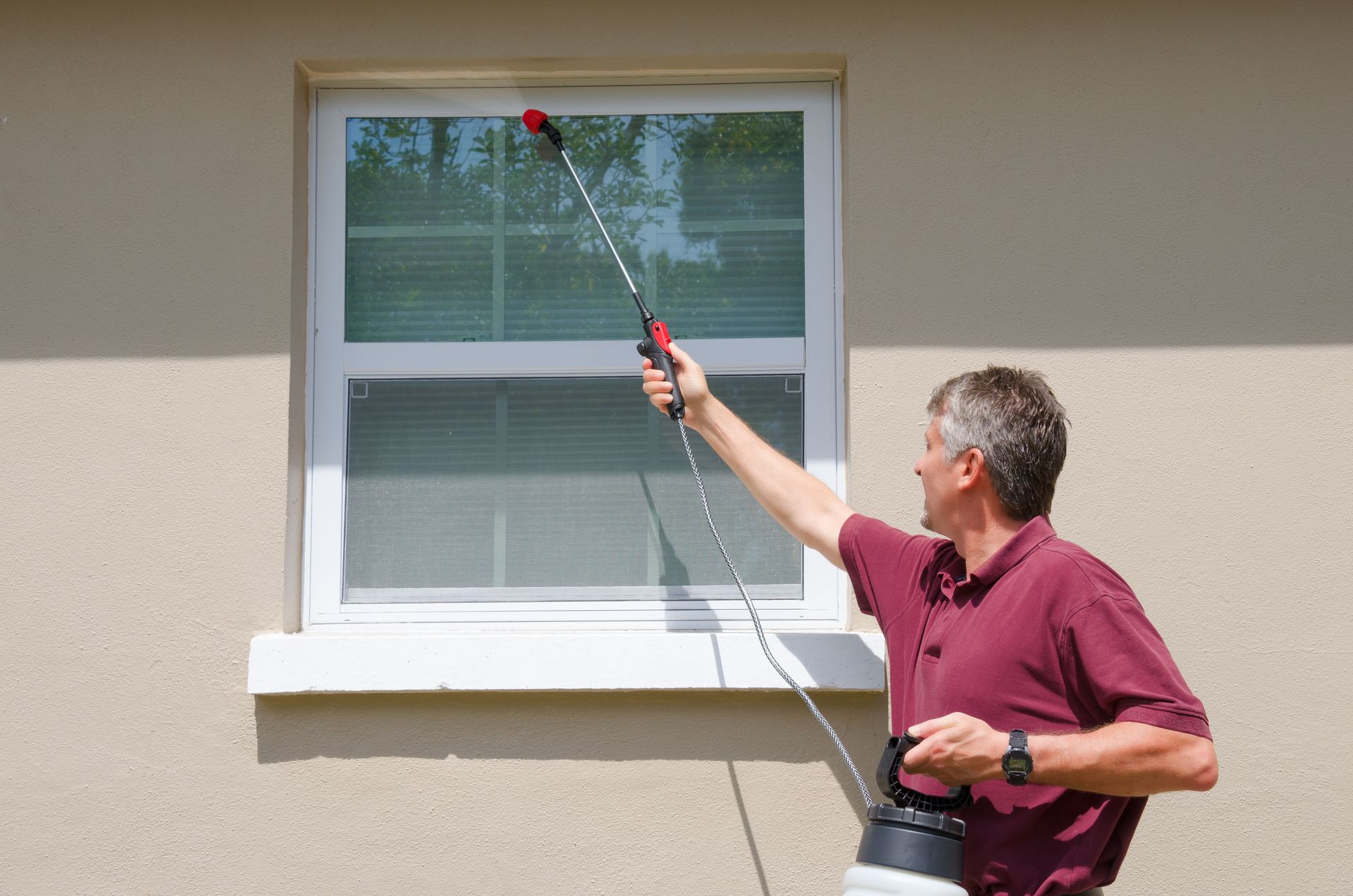
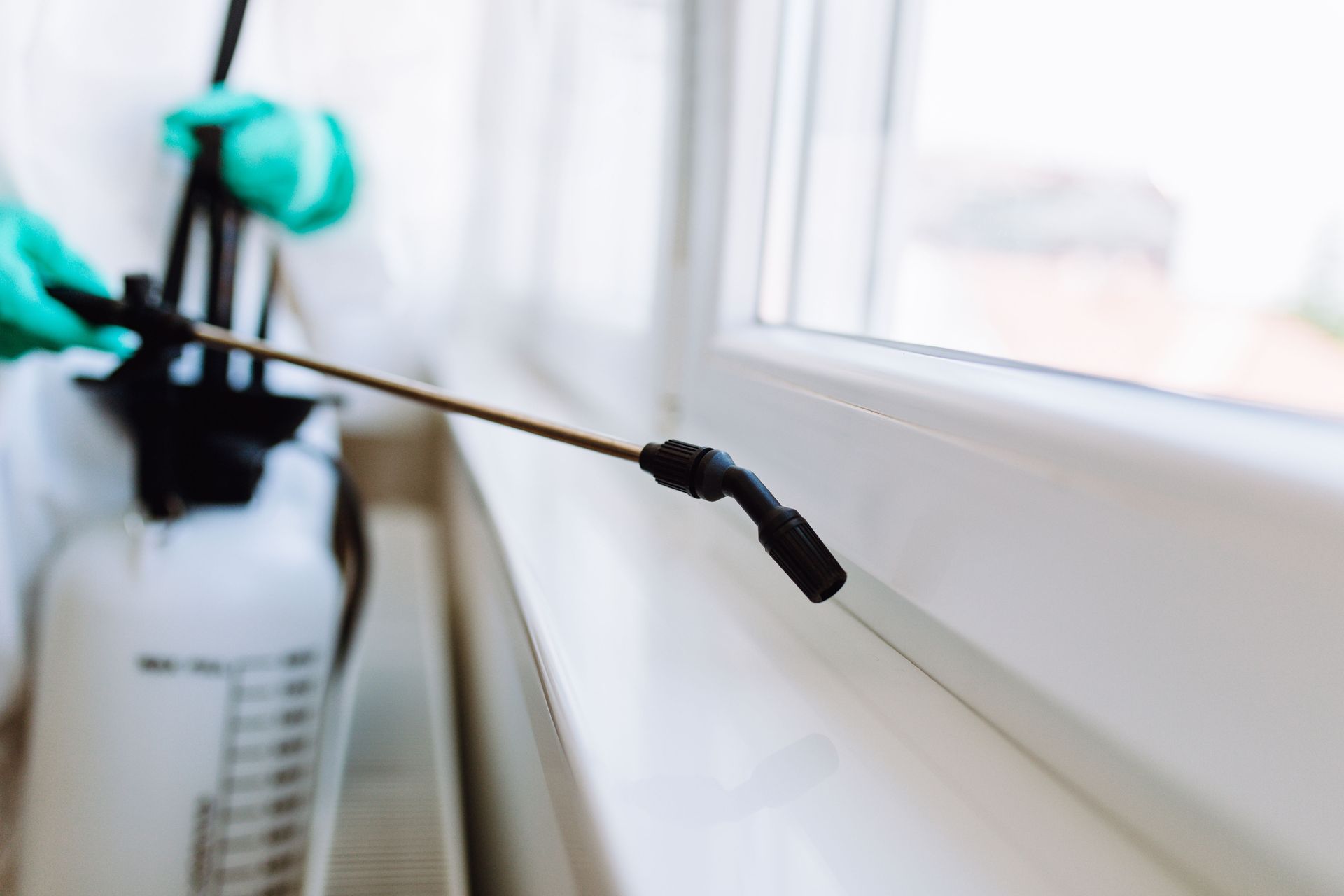
Windows feature complex assemblies of wood, vinyl, and glass that expand and contract with temperature fluctuations. This constant movement breaks the seal between the window frame and the exterior siding. Spiders and flies exploit these minuscule separations to bypass window screens. A reliable pest control company will emphasize the importance of exterior caulking to complement their interior treatments. Scraping away old, brittle caulk and applying a fresh bead of silicone closes these hidden doors. Addressing window frame gaps keeps insects out and improves energy efficiency by stopping drafts. Caulking window perimeters blocks microscopic intruders from exploiting climate-driven material expansion.
6. Missing the Deterioration of Weatherstripping
Doors serve as the most obvious entry point for humans, and they function as massive gateways for opportunistic pests when the weatherstripping fails. The rubber or brush seals running along the bottom and sides of exterior doors flatten and tear from repeated use. If sunlight shines through the edges of a closed door, the opening remains large enough for beetles and cockroaches to enter. Installing rigid door sweeps and replacing perimeter seals blocks this high-traffic ground approach. Even with an immaculate interior environment, a compromised door sweep renders the structure vulnerable to nightly invasions.
7. Disregarding the Branches Touching Exterior Walls
Landscaping elements bridging the gap between nature and architecture provide a direct avenue for insects to bypass foundation treatments. Tree branches and overgrown shrubs that brush against siding or rooflines act as physical bridges for ants and rodents. These vegetative highways allow pests to traverse chemical barriers applied to the soil. Trimming vegetation back from the exterior walls eliminates this aerial route. This landscaping strategy represents a fundamental principle in integrated pest management. Maintaining a clear perimeter forces invaders to cross treated ground, increasing the efficacy of any eradication program and reducing the likelihood of a prolonged infestation.
8. Underestimating the Openings Around Chimney Flues
Fireplaces provide warmth and comfort during colder months, but the exterior chimney structure harbors numerous hidden access points. The flashing where the chimney meets the roof lifts or degrades, while the flue itself lacks a proper spark arrestor and animal guard. Birds, raccoons, and insects view an uncapped chimney as a hollow tree, perfect for establishing a protected shelter. Every pest control company encounters recurring infestations stemming from these neglected rooftop columns. Installing a sturdy chimney cap and sealing the surrounding flashing prevents wildlife from descending into the hearth. A capped chimney denies entry to both winged insects and aggressive mammals.
Achieving a permanent solution to recurring infestations requires more than chemical applications and temporary fixes. Structural vigilance plays an equal role in defending a property against persistent biological threats. As buildings age, materials degrade, shift, and separate, creating new vulnerabilities that insects and rodents exploit. Recognizing these subtle entryways allows property owners to take proactive measures rather than reacting to an established crisis. Comprehensive home maintenance transforms a porous dwelling into a fortress, denying access to the myriad of creatures seeking shelter, food, and water indoors. Routine structural assessments prevent minor cracks from becoming major pest highways.
The responsibility of maintaining an impenetrable exterior falls upon the individuals managing the property. Regular inspections of the foundation, roofline, utility penetrations, and entryways form the bedrock of an effective prevention strategy. Combining structural repairs with professional eradication methods breaks the endless cycle of removal and re-entry. By sealing hidden pathways, homeowners protect their investments and ensure a clean, comfortable living environment devoid of unwelcome invaders. A well-sealed building stands strong against the test of time. If you are tired of pests finding their way back inside, let our pest control company help you secure those hidden entry points. Contact us at HomeTec Exterminating today so we can fortify your home against future invasions.