November 23, 2026
Homeownership comes with routine maintenance tasks and unexpected challenges. While many structural issues develop slowly, insect infestations can compromise a house from the inside out before you even realize a problem exists. Subterranean and drywood insects silently consume the structural integrity of your floors, walls, and support beams. Knowing when to call for professional termite services is vital for preserving property value. Ignoring early warning indicators leads to expensive repairs.
Catching an infestation early can save thousands of dollars in structural repairs. Unfortunately, these insects are exceptionally good at hiding their presence within the dark recesses of your home. They work silently behind drywall, under floorboards, and beneath the soil. Homeowners often mistake the early indicators for regular wear and tear or minor moisture damage. Explore four clear indicators that indicate it's time to call professional pest control services.
1. Finding Discarded Wings Around Windows and Doors
One of the earliest visual cues of an active infestation is the sudden appearance of small, translucent wings scattered around your home. When a colony reaches maturity, it produces winged swarmers. These reproductive insects leave their original nest to establish a new colony. They usually emerge during the spring months or after heavy rainstorms. Because they're attracted to light sources, they fly toward windows, glass doors, and light fixtures.
Finding these discarded wings on your windowsills indicates that a swarm has occurred close to your house. Relying on professional termite services will help you identify the insect species accurately. Flying ants have unequal wing lengths and different body shapes. If you see these tiny wings piled up near entry points, it means a mature colony is thriving nearby. Homeowners shouldn't sweep these wings away and forget about them.
At this stage, attempting to handle the problem with store-bought traps is ineffective. The swarmers you see represent only a tiny fraction of the overall population hidden out of sight. The main colony remains deep underground, continuing to cause structural damage. Experienced technicians know how to track the swarmers back to their access points and implement targeted treatments to eliminate the threat.
2. Discovering Mud Tubes Along Exterior Foundation Walls
Subterranean species require a constant source of moisture to survive. Exposure to dry air and sunlight will quickly dehydrate and kill them. To travel safely between their underground nests and the wooden structures of your home, they construct protective tunnels made from soil, wood particles, and their saliva. These mud tubes serve as enclosed highways that allow them to forage for food without drying out. You'll typically find these tubes running up concrete foundations or along plumbing pipes.
Breaking open one of these tubes might reveal small pale worker insects moving back and forth. Finding an empty tube doesn't mean the colony has moved on. These pests often abandon older tunnels in favor of new routes. The presence of mud tubes is a definitive indicator of an infestation. According to the National Wildlife Federation, termite queens can live for over two decades, meaning colonies continuously build new tubes to expand.
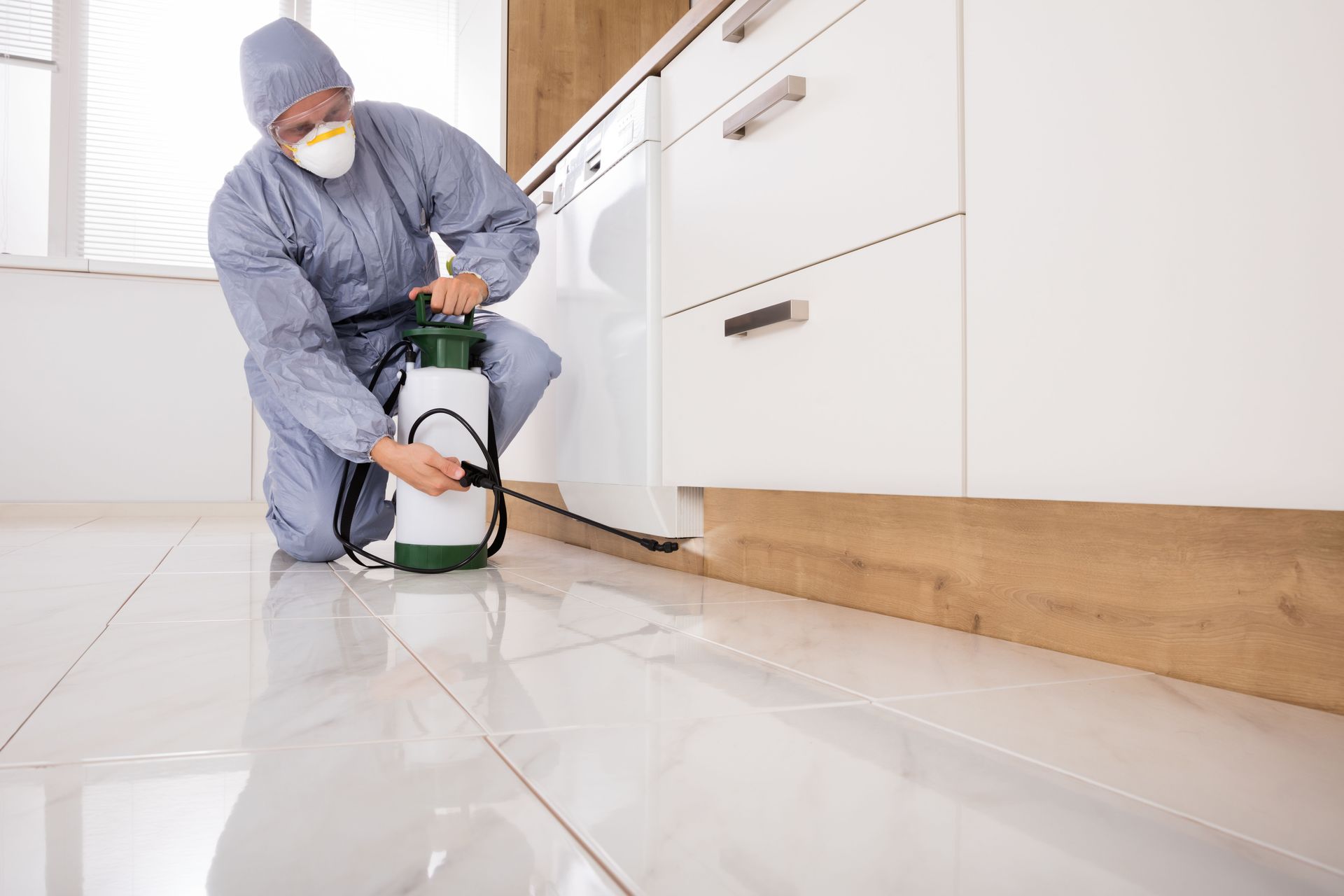
Removing mud tubes with a stick won't solve the underlying issue. The workers will simply rebuild the tunnels in the same location or find a more discreet path into your home. To stop their access, specific equipment is needed to treat the soil around your foundation. Bringing in specialized termite services ensures that the protective barrier around your home is properly established. Technicians can apply liquid treatments to the soil or install bait stations.
3. Hearing Hollow Sounds From Wood Surfaces
Because these insects consume wood from the inside out, the exterior surface of infested structural beams often appears normal. They eat the soft cellulose material along the grain of the wood, leaving a thin veneer of timber or just the paint intact. This covert feeding behavior is why infestations can go undetected for several years. By the time visual damage appears on the outside, the interior structure of the wood is often severely compromised. Scheduling regular inspections with professional termite services is necessary to catch this damage early.
You can test the integrity of the wood in your home by gently tapping on it with the handle of a screwdriver. Healthy wood will produce a solid, dense thud. If the wood sounds hollow or papery when you tap it, you likely have a significant problem. In advanced stages of infestation, you might be able to easily push a finger right through the surface of the wood, leading to sagging floors and drooping ceilings.
Finding hollow wood means the insects have been feeding on your home for an extended period. The structural integrity of the affected areas is likely compromised, requiring both pest control and carpentry work. Technicians use specialized tools like moisture meters and infrared cameras to detect activity behind walls. Once they locate the active feeding sites, they can apply localized treatments to stop further degradation and protect the remaining framework.
4. Seeing Blistered Paint That Resembles Water Damage
Homeowners frequently confuse insect damage with water damage because the visual symptoms are remarkably similar. As these pests tunnel through the wood located behind your painted walls, they introduce moisture into the environment. This added moisture causes the wood to swell and warp. The paint resting on the surface of the wood will begin to bubble, peel, or blister. You might also notice that your doors and windows become difficult to open or close due to swelling frames.
Consulting with local termite services can help you determine if the damage is pest-related. Another common sign that mimics water damage is the appearance of small pinholes in your drywall. As the insects consume the paper backing of the drywall, they occasionally break through to the surface. They quickly patch these small exit holes with mud to maintain the high humidity levels they need. If you see peeling paint accompanied by tiny dirt specks on the wall, it's a strong indicator of insect activity.
Treating the problem as a moisture issue will only allow the colony to continue growing undisturbed. You might scrape away the peeling paint and apply a fresh coat, but the underlying issue will persist. A trained eye can distinguish between wood rot caused by water and structural damage caused by wood-destroying pests. Addressing the actual source of the problem will save you from wasting money on cosmetic repairs that don't fix the core issue.
Protecting your property from these destructive pests requires constant vigilance and a clear understanding of the warning signs. From discarded wings on your windowsills to hollow-sounding baseboards, these subtle clues are your initial line of defense. Ignoring mud tubes along your foundation or writing off blistering paint as a minor moisture issue gives the colony more time to multiply and feed. The longer you wait to address the situation, the more expensive and invasive the eventual repairs become.
DIY pest control methods aren't effective against established underground colonies. Store-bought sprays and traps only address the visible workers and do nothing to eliminate the queen hidden deep below the surface. Investing in comprehensive termite services provides the specialized knowledge and industrial treatments needed to eradicate the problem permanently. By partnering with experienced professionals, you can ensure that your home remains a safe and structurally sound environment for years.
Contact HomeTec Exterminating today to schedule our professional termite services and protect your home from severe structural damage.